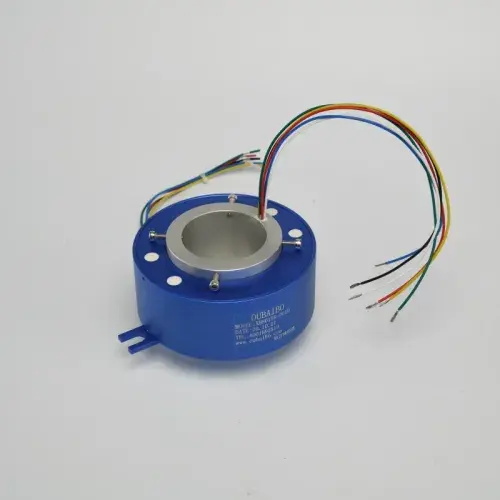
1. Sealing mechanism: The Waterproof Slip Ring must feature an effective sealing mechanism to prevent water ingress. This typically involves using gaskets, O-rings, or lip seals at critical interfaces such as the rotating shaft and housing. The sealing components should be made of materials that are resistant to water and provide a secure barrier against moisture.
2. Housing material: The slip ring housing should be made of corrosion-resistant materials such as stainless steel or aluminum alloy. These materials offer durability and protect the internal components from environmental factors. Additionally, the housing should be designed with drainage channels and vents to prevent water buildup and promote water egress.
3. Electrical contacts: The slip ring should be designed with high-quality electrical contacts capable of maintaining reliable transmission even in wet conditions. Gold or gold-plated contacts are often used due to their excellent conductivity and corrosion resistance. The contact designs may include brushes, wires, or contact rings, depending on the specific application requirements.
It's important to note that the specific design requirements may vary depending on the application and environmental conditions. Collaborating with a knowledgeable slip ring manufacturer and considering the specific needs of the intended application will ensure the successful design and implementation of a conductive waterproof slip ring.